About Affan Waseem
Project Manager and PMI-certified professional at SPCTEK.AI, focused on building scalable systems for eCommerce businesses and SMBs through AI-powered automation. Experienced in streamlining processes, improving operational efficiency, and implementing practical AI tools that help teams save time, reduce manual work, and scale faster.
Articles by Affan Waseem
Claude Commerce Agents: What E-Commerce Sellers Should Know
Claude Commerce Agents are transforming ecommerce by using AI to help customers discover products, compare options, and shop more easily while helping businesses manage sales, inventory, and marketing. However, their effectiveness depends on accurate product data and well-organized catalogs. Although custom implementation requires technical expertise, sellers can prepare for AI-driven commerce by optimizing product listings, improving data quality, and streamlining operations.
Small Business Automation: Where to Start and What It Costs
Small business automation helps reduce repetitive work, improve efficiency, and free up time by streamlining tasks like data entry, invoicing, customer follow-ups, and workflows. The right automation approach depends on business needs, available tools, process complexity, and budget.
AI Agents vs RPA: What's the Real Difference for Your Business
AI agents and RPA serve different purposes in business automation, with RPA handling structured, repetitive tasks and AI agents managing complex workflows that require adaptability and decision-making. The difference between these technologies comes down to how they handle changes, exceptions, scalability, and real-world business processes.
Reporting Automation: How to Streamline Your Business and Free Up Your Fridays
Reporting automation means connecting data sources so reports pull, format, and deliver themselves on schedule, not just replacing one manual export with a slightly faster one. Success comes from picking the right layer for the job (Looker Studio for Google-native data, DashThis or AgencyAnalytics for agency client reporting, Power BI for financial depth), building the template once, and setting the schedule, though custom systems in non-standard tool stacks still outgrow off-the-shelf software.
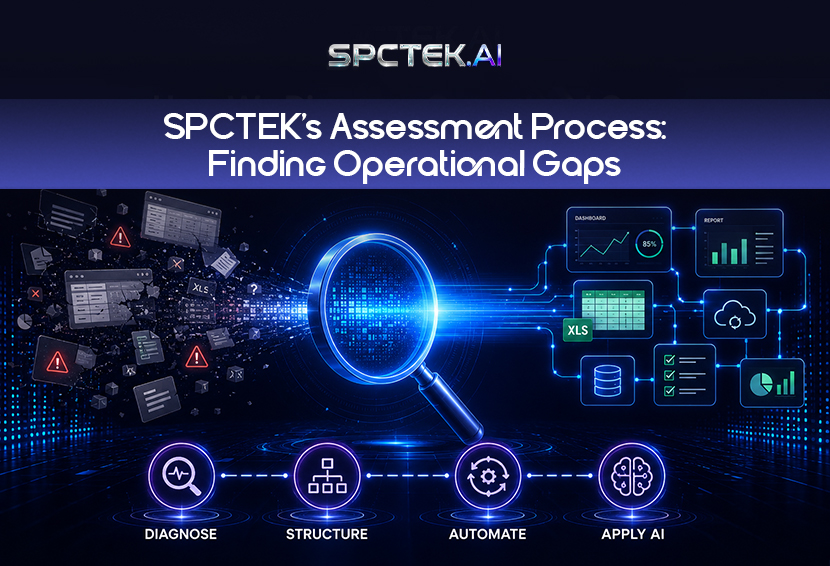
How We Diagnose Operational Gaps: Inside SPCTEK's Assessment Process
A business process assessment maps how work actually moves through a company, not how leadership assumes it moves, so the real gaps in data, documentation, and revenue show up before any tool gets recommended. Success comes from sequencing correctly: diagnose the gaps first, structure them into a process map, then automate and apply AI only where the map shows it's needed. Skip that order and automation just speeds up whatever was already broken.
Hiring an AI Automation Agency: 7 Questions to Ask First
Hiring an AI automation agency means judging how a system holds up after launch, not how the demo looks in a sales call. The right fit comes from asking about ownership, post-launch support, data handling, and agreed success metrics before anything gets built. Get those answers in writing and most of the common problems disappear, though no set of questions replaces monitoring the results yourself.
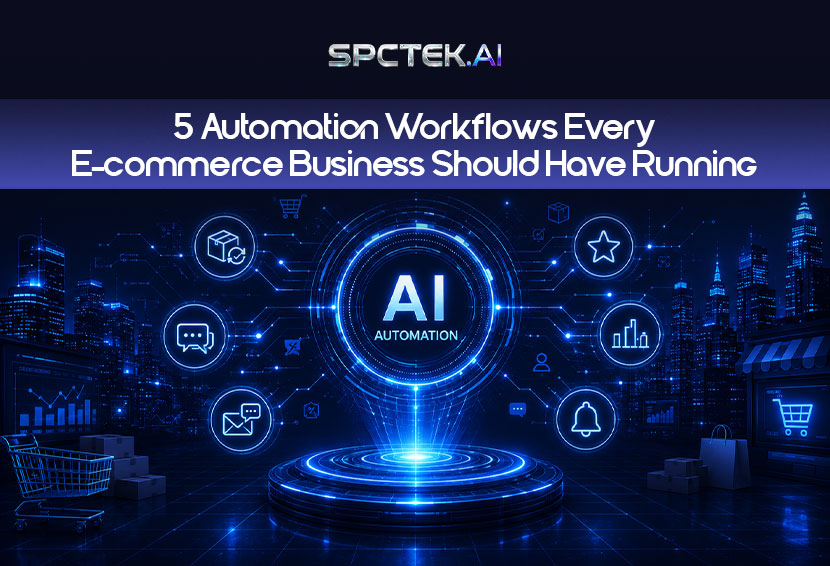
Automation Workflow for E-commerce: 5 Essential Workflows to Scale Faster
An automation workflow helps e-commerce businesses replace repetitive manual tasks with connected, rule-based processes that run automatically. From order fulfillment and customer support to inventory management and returns, the right workflows improve efficiency, reduce errors, and support scalable growth.
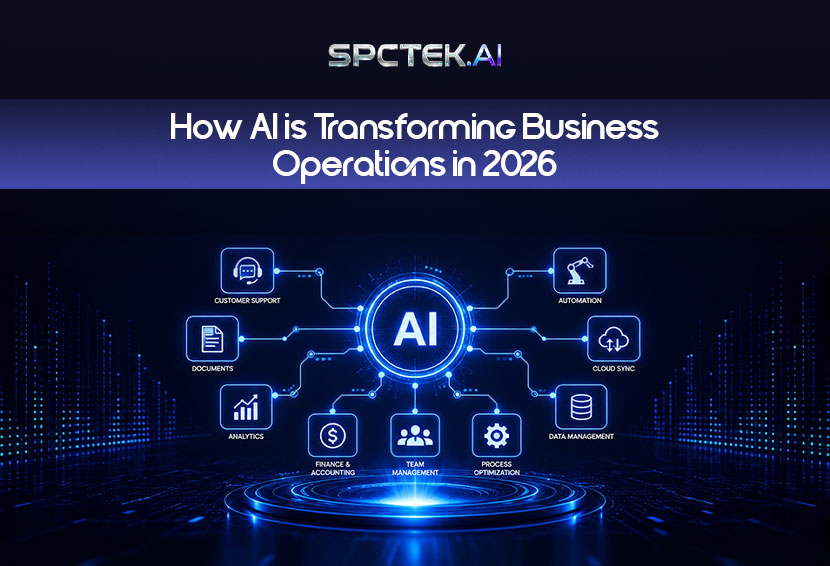
How AI is Transforming Business Operations in 2026
AI is helping businesses automate repetitive tasks, improve efficiency, and reduce operational costs across departments like customer service, finance, HR, and sales. Modern AI systems can now manage entire workflows, enabling teams to focus on strategic work while increasing productivity and accuracy. The most successful businesses are adopting AI gradually, automating one process at a time and scaling based on measurable results.
Top 10 Business Processes You Should Automate First
The most effective way to start automating business processes is to identify repetitive, high-volume tasks that consume time and lead to errors. Key areas such as HR onboarding, payroll, invoicing, sales follow-ups, customer support, and reporting often deliver the fastest return on investment in automation. By prioritizing the right workflows and implementing suitable tools, businesses can improve efficiency, reduce costs, and free teams to focus on higher-value work.